
The Mulebuy Spreadsheet catalogue, shelf by shelf
Browse by category: bag shelves first, each with the figure to check before anything else, then the clothes and accessories that go inside them.
Browse all 16 product categories
These photographs identify the product type, not guaranteed stock, quality or a live price. Open a category, then check the individual seller listing and your chosen agent’s restrictions.
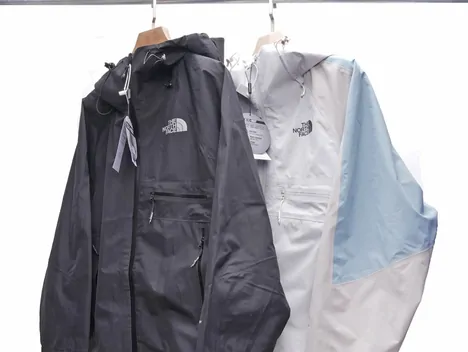 Outerwear ↗Compare chest width, sleeve length and layering room.
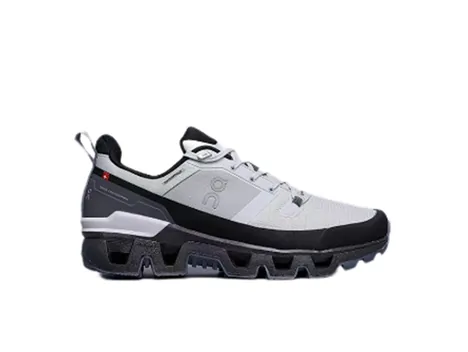 Sneakers ↗Confirm the selected size and any insole measurement.
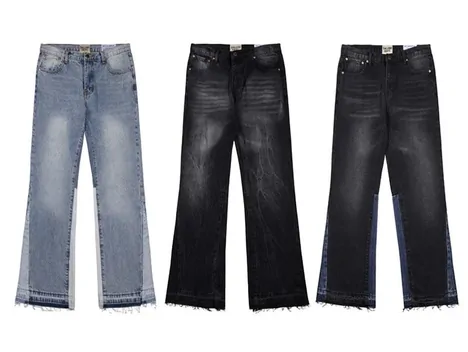 Jeans ↗Read waist, rise and inseam for the actual variant.
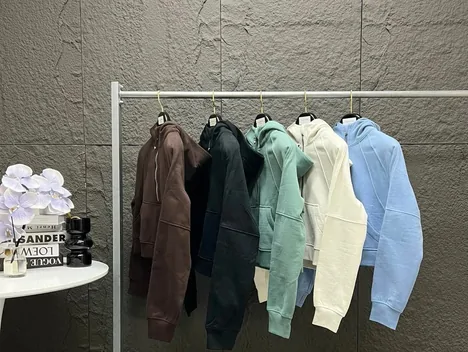 Hoodies ↗Check garment measurements and the exact print or colour.
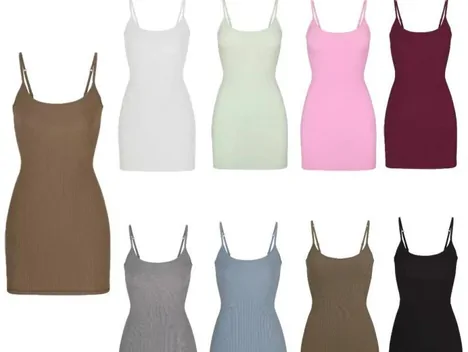 Womenswear ↗Compare cut and measurements rather than size letters alone.
 Sweatpants ↗Check inseam, waist stretch and ankle shape.
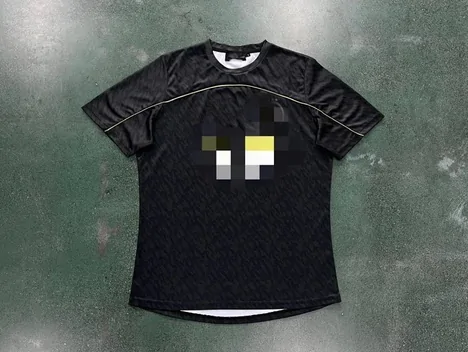 T-shirts ↗Check chest width, length and print placement.
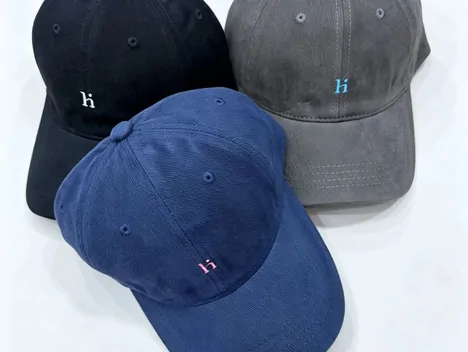 Hats ↗Look for circumference and adjustment details.
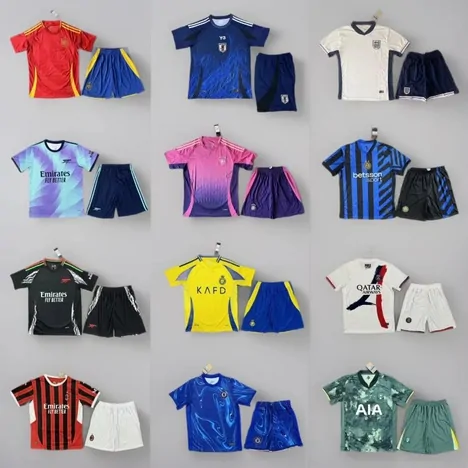 Jerseys ↗Verify the selected season, version and customisation.
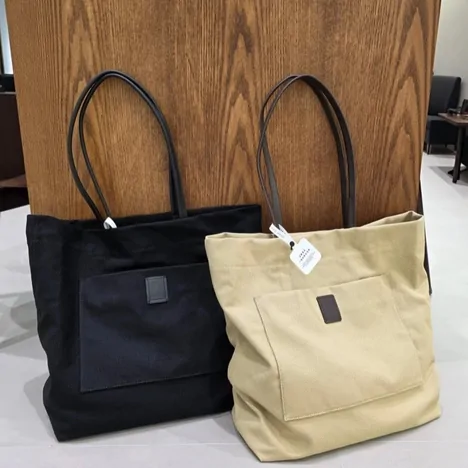 Bags ↗Distinguish usable inside space from outside dimensions.
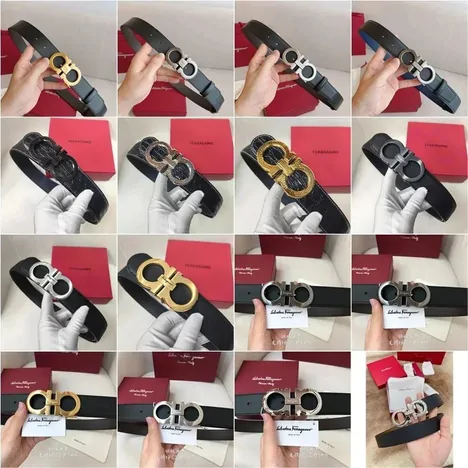 Belts ↗Check usable fastening length and buckle dimensions.
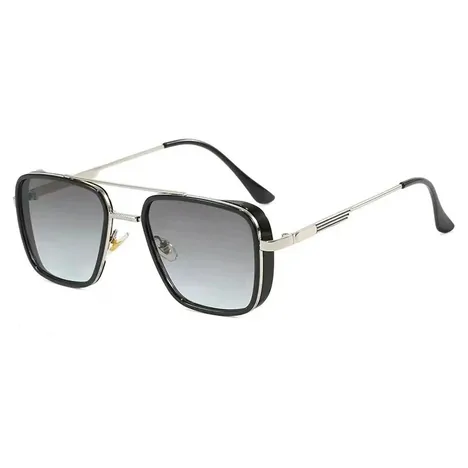 Eyewear ↗Check frame dimensions; photos do not certify lens protection.
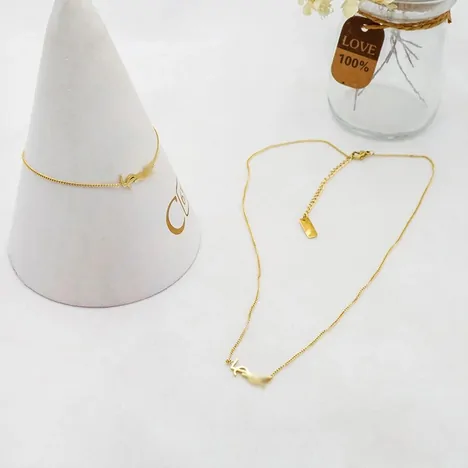 Jewelry ↗Ask about dimensions and material evidence before purchase.
 Watches ↗Check case and strap sizes; ask the route about batteries.
 Perfume ↗Confirm liquid restrictions before paying for the item.
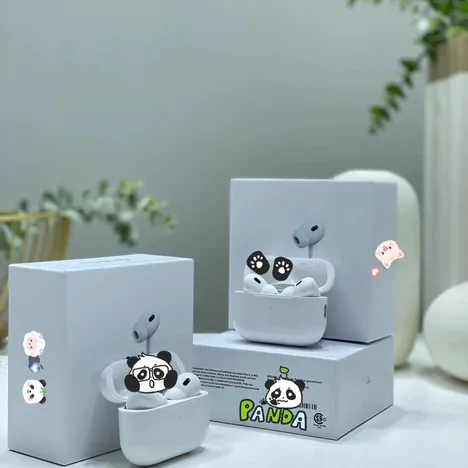 Electronics ↗Check rated input, compatibility and battery shipping limits.
The Mulebuy Spreadsheet as a catalogue, and why the name stayed
In shopping-agent circles a spreadsheet means a catalogue: a site where finds from Chinese marketplaces are shown as product cards you can browse by category or search, each one leading to the listing behind it. That is what the Mulebuy Spreadsheet is, and all it is. The name dates from the time when Mulebuy was a working agent and shoppers built catalogues of finds to order through it.
Mulebuy is offline now, so this catalogue is used with other agents. The cards lead to listings on Taobao, Weidian, 1688 and similar marketplaces, which never belonged to Mulebuy in the first place, and any working agent can usually order from them.
What makes this version different is the way it reads bags. Each bag shelf comes with the measurement to check first, and the rest of the site is about turning a listing's size line into a sense of what the bag will hold.
Bag shelves, with the measurement to read first
These are the bag parts of the catalogue. Each line says which figure on a listing to look at before anything else; the Bag shapes page explains why.
- Backpacks: height for documents, depth for bottles and shoes
- Travel bags and duffels: length against a 55 or 56 cm cabin frame
- Shoulder and crossbody bags: inside height for your phone
- Belt bags and slings: straight length versus usable curve
- Canvas totes (search): base depth, often missing from the listing
- All bags: start here if the shape does not matter yet
The category pictures show the type of item, while this guide focuses on measurements and useful space. Open the actual bag listing to inspect its construction, dimensions and seller claims. A thumbnail does not verify the bag’s origin, material or load capacity.
If a listing gives only a litre figure, work out the box sum from any measurements in the photos, or use the litres field in the Fit box, which assumes a backpack shape and says so.
Clothes for the load
Most of what goes into a bag is clothing, so the apparel shelves are the second half of this catalogue. Folded sizes vary, but these are the shelves where a weekend load comes from, with a note on how each item behaves in a bag.
- Jackets and coats: the bulky item that sets the bag size
- Hoodies: about 8 cm thick folded
- T-shirts: about 2 cm folded flat
- Sweatpants: roll to fill depth
- Jeans: heavy for their size
- Womenswear (search): search results across shelves
- Jerseys: light, fold flat
Shoes, accessories and the rest of the catalogue
The remaining shelves are listed here as plain links. Shoes matter to bag size more than any garment: a pair needs about 12 centimetres of depth. Small accessories matter mostly to small bags.
- Sneakers: the deepest common item in a bag
- Hats: caps keep their shape best on top
- Belts: coil inside a shoe
- Eyewear: a case is about 16 x 7 x 4 cm
- Jewellery: a pouch in a side pocket
- Watches: keep the box out if space is short
- Perfume: airline liquid rules apply in the cabin
- Electronics: chargers go in the cable pouch
Liquids in cabin bags follow airport security rules, which are separate from the airline frames on this site.
Why this Spreadsheet reads bags from the inside
Plenty of catalogues will show you more bags. This one is built to help with the decision people get wrong most often with bags bought from a listing: whether it holds what they need and whether it goes on the plane. Here is what we do differently and how the list is kept.
- Every bag shelf names the measurement to read first, and every angle page uses the same fixed reference load.
- Pictures identify the product category; the accompanying notes explain which measurements or specifications to check in the individual listing.
- Airline frames carry the date we read them, and we read them again within 30 days.
- Category links are checked when the site is built; a link that stops working is replaced, not left in place.
- Mulebuy's status is checked on the day of every rebuild and dated on the Mulebuy page.
If something here is out of date, the Updates page shows what was checked and when, and the About page has an address for corrections.
Images: catalogue photographs are category examples, not this site’s purchases or verified Mulebuy orders. Drawn material, dimension and lettering examples explain a concept; they do not certify the depicted product.